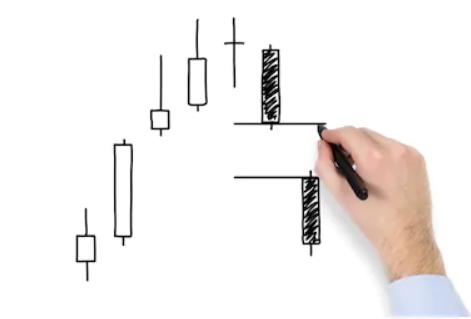
It was quite a show, watching the euro run higher in anticipation of new policies the ECB was about to implement. Announcing their failure to reduce the Central Bank rate from .75% should have been a clue the Draghi press conference would disappoint the markets. And it did.
Listening to much of the Draghi Press Conference via a live webcast, I had the feeling the ECB does not recognise the urgent need for specific programs that will calm markets, and provide liquidity to Spain, Italy and other countries needing help. More than once I heard Draghi say the "ECB mandate is price stability." For a central banker, this sounds as meaningless as when his predecessor raised interest rates, hoping to halt the rise in Brent crude oil which, he claimed, was the cause of European inflation.
Are not central bankers supposed to provide liquidity for the member banks? Draghi expressed his concern for "financial market fragmentation." He said they did not discuss the plight of specific countries. If countries need help, they will need to make a formal request. The requesting country will then be expected to welcome the Troika, and give up some of their autonomy to the unelected Troika, who will make austerity recommendations they feel are appropriate.
There had been rumors the ESM would become a buyer of bonds in the primary market, and the ECB would resume buying bonds in the secondary market. Confirmation of these changes would have been positive, but it sounds like the Bundesbank objects.
There were no calls for definitive policy changes. Rather the appropriate committees are going to discuss the various options. Europe's lack of urgency means they will continue marching toward the abyss. God forbid they reach it before their August vacation is over.
In the Telegraph today, Jeremy Warner had some interesting comments:
"... when German policymakers point to analysis such as that of The Conference
Board as evidence of the euro working as it is supposed to , they miss the
point.
Yes indeed, on one particular measure, competitiveness seems to be improving
in the impoverished periphery, but at extreme cost and with no apparent end
in sight. Nor does the deflationary therapy prescribed solve the problem of
external indebtedness, the burden of which grows ever bigger the more these
economies shrink.
The European periphery desperately needs some growth, but the internal
devaluation demanded makes it even less likely than in Britain. Might we get
some respite from Mario Draghi after today’s European Central Bank council
meeting?
He has to do something if Spain is to avoid a full scale sovereign bail-out
but, whatever it is, it won’t address these underlying horrors. How long
before European electorates wake up to the massive destruction their
politicians have inflicted on them?"
It looks like last week's rally may have been a head fake. A return to the 1.20 or below now seems possible.
|